Applications Open

Medicines in an Ageing Society

An interdisciplinary undergraduate research placement programme, jointly funded by the British Geriatrics Society and the Vivensa Foundation.

MED-AGE Summer Studentships

The Medicines in an Ageing Society (MED-AGE) undergraduate research placement programme offers an exciting opportunity for enthusiastic and ambitious undergraduate students to participate in an ageing-related research project during the summer months.

The projects available encompass cross-disciplinary supervision and successful candidates will join research teams comprising academic staff, postdoctoral fellows, PhD students, administrative and technical staff.

The programme is jointly funded by the British Geriatrics Society and the Vivensa Foundation. This innovative scheme aims to increase opportunities for undergraduate students, from any discipline, to undertake ageing-related research.

Jointly funded by
Meet the Researchers

An interdisciplinary team of academics and a patient representative working together to advance ageing-related research.

Dr Heather Barry

Dr Heather Barry

School of Pharmacy
Professor Geraint Ellis

Prof Geraint Ellis

School of Natural and Built Environment
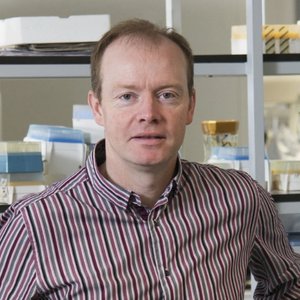
WE

Mr Wallace Ewart

Patient & Public Involvement Representative
Dr Deirdre Gilpin

Dr Deirdre Gilpin

School of Pharmacy
Dr Neil Heron

Dr Neil Heron

Centre for Public Health
Dr Michael Tunney

Dr Michael Tunney

School of Pharmacy

Available Projects

Three exciting research projects spanning medicine, geography, and microbiology — all focused on improving outcomes for older people.

1

Use of non-steroid injections for hand osteoarthritis

Dr Neil Heron & Dr Heather Barry

The hand is one of the most common joints affected by osteoarthritis, particularly the base of the thumb and small joints of the fingers. The effects tend to worsen as we age, and the condition is much more common in women, especially after the age of 55. Hand osteoarthritis can have a profound impact on older people's lives, limiting their ability to make hand movements necessary for activities of daily living and threatening their independence and confidence.

This project will evaluate evidence and accessibility to non-steroid (e.g. hyaluronic acid, platelet-rich plasma) injections for symptom management, through a systematic review of the evidence.

The student will conduct database searches, screen papers, extract key data, and produce a summary of key findings.

2

Public transport accessibility to community pharmacies for older people

Prof Geraint Ellis & Dr Heather Barry

Community pharmacies are essential health hubs for older people receiving multiple medicines, but their locations are rarely considered from an equity of access perspective. Access by public transport is a critical factor in determining equity, as in most parts of the UK, all older adults have free public transport, while access by car is limited by socio-economic status or infirmity.

This project will provide the first detailed analysis of public transport access to community pharmacies in Northern Ireland (n=510), by assessing service level, proximity to bus/train stops and identifying other barriers that may prevent accessibility using public transport. These data will then be used to engage with public transport providers and planning authorities to develop action plans for overcoming identified barriers.

3

Environmental and clinical antimicrobial resistance in Northern Ireland care homes

Prof Michael Tunney & Dr Deirdre Gilpin

Studies have highlighted the misuse of antibiotics in care homes, often due to inappropriate prescribing, dosage, or treatment duration. For example, in Northern Ireland, care home residents are twice as likely to be prescribed antibiotics compared to those in the community. This suggests that care homes may serve as hubs for the spread of resistant bacteria into other healthcare settings and the wider community.

This study aims to characterise antimicrobial resistance (AMR) found in air, wastewater, and surface samples from nursing homes, comparing it phenotypically and genotypically to clinical isolates from urinary and respiratory tract infections. The goal is to better understand how pathogens and AMR spread within the care home environment and the wider community.

What You Need to Know

What's Offered

Placements run for six weeks from Monday 29th June to Friday 7th August 2026. Students will work on campus, Monday to Friday on a full-time basis (35 hours per week) and will receive a stipend of £441 per week.

Students (including those from other UK institutions) who successfully complete the programme will be eligible for Degree Plus status upon graduation.

Successful applicants are expected to be available for the full six-week duration. Accommodation is not provided.

Eligibility

This programme is open to:

  • Students from any UK Higher Education Institution currently enrolled in an undergraduate degree in a relevant discipline (e.g. medicine, nursing, pharmacy, architecture, planning, psychology)
  • Applicants must have completed at least one year of full-time study by the start of the studentship
Students in their final year are not eligible for this programme.

Benefits

  • Enhancement of your research expertise
  • Exposure to a supportive, encouraging and interdisciplinary environment
  • Development of your skills and expertise
  • Working alongside postgraduate researchers and academics
  • Active participation in research group meetings and seminar series
  • Peer learning and mentorship
  • Opportunity to present at an end-of-placement research showcase
  • Potential to contribute to conference presentations and publications

Selection Process Timeline

Now – 17th April 2026
Applications open — submit your application before 5:00pm on Friday 17th April
w/c 4th May 2026
Applicants notified about interview
w/c 18th May 2026
Interviews held
w/c 25th May 2026
Candidates informed of interview outcome
29th June – 7th August 2026
Six-week placement programme

Ready to Make a Difference?

Join us this summer and contribute to research that improves the lives of older people. Applications close 5:00pm, Friday 17th April 2026.

Apply Now →

How to Apply

Please complete the application form below. You will be asked to submit:

  • A current CV (maximum of 2 A4 pages)
  • Academic transcript(s) — if you are a first-year student yet to sit exams, please include details of your in-course assessment results to date in lieu of an academic transcript
  • A personal statement (maximum of 500 words) outlining why you would like to undertake a research project this summer and describing your interest, experience and commitment to ageing research

Have Questions?

If you have any further questions about the undergraduate research placement programme, we'd love to hear from you.

Email MED-AGE@qub.ac.uk